Health and Safety Policy for Landscaping Towerhamlets
 Health and safety is central to every landscaping project, from small garden improvements to larger commercial grounds maintenance. This policy sets out the standards expected across all landscaping activities in Towerhamlets, with a focus on preventing harm, maintaining safe working conditions, and supporting a culture of responsibility. Whether carrying out planting, turfing, pruning, paving, or site clearance, everyone involved must work in a way that protects themselves, colleagues, clients, visitors, and members of the public.
Landscaping work often involves moving machinery, handling tools, lifting materials, and working outdoors in changing weather conditions. Because of this, a clear approach to risk management is essential. All tasks should be planned before work begins, with hazards identified and controls put in place. This includes checking ground conditions, assessing access routes, understanding the layout of the site, and confirming that equipment is suitable for the job. The aim is to reduce avoidable incidents and ensure each task is completed safely and efficiently.
 A safe landscaping service depends on well-trained staff and consistent supervision. Every worker should be competent for the task they are asked to perform and should understand the correct use of tools, vehicles, and plant machinery. Training should cover manual handling, safe use of cutting equipment, personal protective equipment, and emergency procedures. Supervisors must monitor work practices and intervene when unsafe behaviour, poor housekeeping, or unsuitable methods are observed.
Personal protective equipment must be selected according to the task and the environment. Typical items may include gloves, safety footwear, eye protection, hearing protection, high-visibility clothing, and weather-appropriate outerwear. PPE should be kept in good condition, inspected regularly, and replaced when damaged or worn. However, PPE is only one part of the control system and should never be relied on as the sole protection against risk. Safe systems of work, correct equipment, and proper planning remain the priority.
Manual handling is a common cause of strain and injury in landscaping operations. Materials such as soil, paving slabs, timber, and compost can be heavy, awkward, or unstable. Workers should use mechanical aids wherever possible and avoid lifting loads that are too bulky or too heavy for safe movement. Where lifting cannot be avoided, loads should be assessed in advance and moved using correct posture, team lifting, and appropriate equipment. Good housekeeping also reduces the chance of trips, slips, and falls by keeping paths clear and tools stored properly.
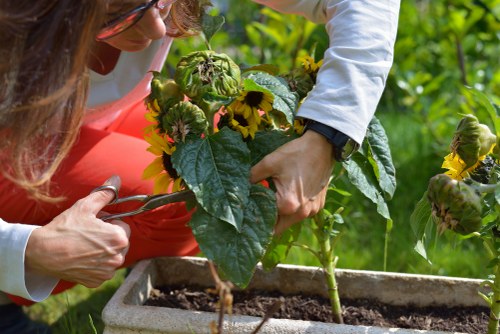 Machinery and powered tools present additional hazards that require close control. Equipment such as mowers, trimmers, hedge cutters, saws, and compact plant must be maintained in safe working order and used only by authorised personnel. Guards and safety devices must not be removed or bypassed. Pre-use checks should be carried out each day, and any defect should be reported immediately. Fuel handling must be managed carefully to prevent leaks, fire risk, or environmental contamination. Clear exclusion zones should be established whenever machines are operating near others.
Worksites may also present hidden risks linked to underground services, unstable ground, uneven surfaces, or nearby traffic. Before digging, cutting, or breaking ground, service information should be reviewed and the area checked for buried utilities. Barriers, cones, and signage should be used where necessary to keep the public away from active work areas. When landscaping near roads, entrances, or shared access points, the team must maintain safe pedestrian movement and minimise disturbance to others. Communication is important, especially when several trades or contractors are working on the same site.
Environmental conditions can affect health and safety throughout the year. Hot weather can lead to dehydration, sun exposure, and fatigue, while cold or wet conditions may increase the chance of slips and reduce concentration. Workers should take regular breaks, drink water, and wear suitable clothing for the conditions. In colder periods, tasks should be scheduled to reduce prolonged exposure. The policy also recognises the importance of mental wellbeing, as long shifts, physical demands, and repetitive work can affect focus and decision-making.
The company expects every person involved in landscaping to take personal responsibility for safe conduct. This includes reporting hazards, following instructions, using equipment correctly, and stopping work if conditions become unsafe. Accidents, near misses, and unsafe situations should be reported promptly so that corrective action can be taken. Records should be kept where required to support review and improvement. A proactive reporting culture helps prevent recurrence and strengthens overall site safety.
 Emergency arrangements must be understood before work begins. All teams should know the procedure for first aid, fire response, incident escalation, and evacuation from the site. A suitable first aid provision should be available, and workers should know how to summon help quickly. If serious injury, fire, or environmental damage occurs, activity must stop immediately and the area secured. Any required rescue or recovery work should only be attempted by competent personnel and in line with safe procedures.
Regular review is an important part of this policy. Landscaping methods, equipment, and site conditions can change, so control measures should be checked and updated as needed. Managers and supervisors should review incidents, observation findings, and work practices to identify areas for improvement. By learning from experience and reinforcing good habits, landscaping operations can remain safe, efficient, and professional. A consistent safety approach supports quality work and reduces disruption for clients and the wider public.
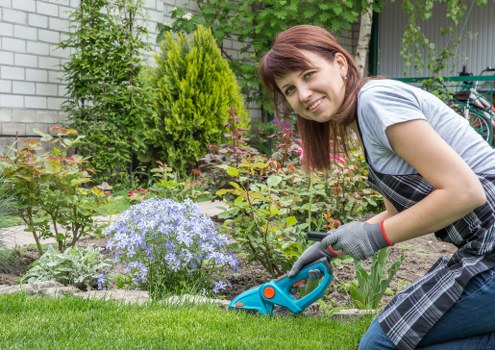 In summary, this health and safety policy for landscaping in Tower Hamlets is designed to promote safe planning, competent working, and careful supervision across all activities. By controlling risk, maintaining equipment, using protective measures, and encouraging clear reporting, the business can deliver reliable landscaping services while protecting people and property. Safety is not an extra step; it is an essential part of every stage of the work.