Landscaping Towerhamlets: Creating Beautiful, Practical Outdoor Spaces in an Urban Borough
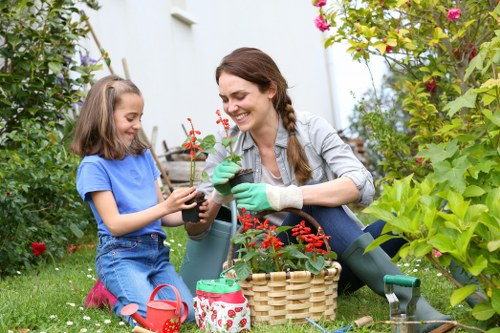 Landscaping Towerhamlets is about far more than planting a few shrubs or laying fresh turf. In a borough as dynamic and densely built as Tower Hamlets, thoughtful outdoor design can transform compact gardens, courtyards, terraces, communal spaces, and commercial fronts into welcoming areas that feel calm, functional, and visually appealing. Whether the goal is to improve a small private garden or enhance the appearance of a shared residential setting, skilled landscaping in Tower Hamlets can make a remarkable difference.
Urban landscaping needs to balance beauty with practicality. Space is often limited, light conditions can vary from one side of a property to another, and the local environment may include noise, pollution, and heavy foot traffic. For that reason, successful Tower Hamlets landscaping relies on careful planning, durable materials, and planting choices suited to the realities of city life. When done well, a landscape becomes not just attractive but genuinely usable throughout the year.
Many property owners in the area want outdoor spaces that look polished without demanding constant upkeep. That is one reason landscaping Towerhamlets is increasingly focused on solutions that are elegant, resilient, and efficient. A well-designed layout can create structure, improve privacy, support biodiversity, and bring more natural texture into an otherwise hard-surfaced environment. The result is a place that feels more spacious, more inviting, and more in tune with everyday life.
Why Landscaping Matters in Tower Hamlets
 The borough’s character makes landscaping especially valuable. Tower Hamlets combines historic streets, modern developments, riverside locations, and dense residential neighbourhoods. Because of this mix, outdoor areas vary enormously in size and function. Some properties have narrow side returns or modest back gardens, while others include communal courtyards, office entrances, or rooftop terraces. In each case, thoughtful Landscaping Towerhamlets can improve how the space looks and how it works.
Well-planned outdoor areas can help soften the hard edges of urban architecture. Plants, timber, stone, gravel, and lighting can all contribute to a more balanced setting. In a borough where many residents value both style and efficiency, landscaping also supports daily living by creating places to relax, entertain, grow plants, or simply enjoy a moment outdoors. Good design can even help make small areas feel larger by using perspective, layering, and zoning.
Another important reason landscaping matters is the impact it has on property perception. A cared-for garden or frontage can influence the way a home, building, or business is experienced at first glance. This is not just about appearances; it is also about atmosphere. A neat, well-structured landscape suggests quality, attention, and comfort. For landlords, homeowners, and property managers, that can be an important asset in a competitive urban market.
Adapting Outdoor Design to Local Conditions
Landscaping in a place like Tower Hamlets needs to account for conditions that are not always found in suburban settings. Shade from neighbouring buildings may reduce sunlight, while narrow plots may limit circulation and access. Some areas are exposed to strong winds, and many outdoor surfaces need to tolerate frequent use. A successful landscaping Towerhamlets project therefore starts with understanding the site in detail, including orientation, drainage, soil condition, and the intended purpose of the space.
Where sunlight is limited, shade-tolerant plants can bring life to a garden without struggling against the environment. In highly exposed spots, structural planting and wind-resistant materials help maintain stability and visual order. Drainage is also essential. Urban landscapes can suffer when water collects on paving or saturates planting beds. Using appropriate groundwork, permeable surfaces, and raised beds can reduce these issues and keep the area in good condition.
Choosing the right materials is equally important. In busy borough settings, durability matters as much as style. Natural stone, quality timber, composite decking, and well-chosen paving can all create a refined appearance while standing up to weather and wear. A skilled approach to landscaping Towerhamlets blends these practical needs with a design vision that suits the character of the property.
Designing for Small Gardens and Compact Courtyards
One of the most common challenges in Tower Hamlets is working with limited outdoor space. Small gardens and courtyards can still be highly attractive, but they need careful planning to avoid feeling cluttered or awkward. The most effective Tower Hamlets landscaping for compact spaces often relies on simplicity, clean lines, and a strong sense of purpose. Every element should earn its place.
Vertical interest is especially useful in smaller areas. Trellises, climbing plants, wall planters, and tall, narrow planting schemes can add depth without taking up precious ground space. Raised beds can create definition and make maintenance easier, while built-in seating or storage can help maximise functionality. These features not only save space but also help the area feel intentional and well composed.
The middle of a compact landscape often benefits from a single focal point rather than many competing features. This might be a specimen tree, a water feature, a sculptural planter, or a paved seating zone. By simplifying the layout, landscaping Towerhamlets can make even the smallest exterior feel more spacious and comfortable. Light-coloured surfaces, layered planting, and strategic lighting can further enhance the sense of openness.
Planting That Thrives in an Urban Borough
Plant selection is one of the most important parts of any landscaping project. In Tower Hamlets, the best planting schemes are often those that combine aesthetic variety with resilience. A mixture of evergreen structure, seasonal colour, and texture creates interest across the year. Using plants that can cope with urban conditions also reduces stress and maintenance, making the landscape more reliable in the long term.
Many designers working on Landscaping Towerhamlets projects favour layered planting. This means combining trees, shrubs, grasses, perennials, and ground covers to create a balanced composition. Trees can provide canopy and privacy; shrubs can give structure; perennials can add flowers and movement; and ground covers can suppress weeds while softening edges. The overall effect is richer and more natural than a simple lawn or a few isolated specimens.
Pollinator-friendly planting is increasingly popular in urban landscapes because it adds ecological value as well as visual appeal. Flowers that support bees, butterflies, and other beneficial insects can make a garden feel lively and connected to the wider environment. Landscaping in Tower Hamlets can therefore contribute to biodiversity without sacrificing style, especially when planting is planned to bloom across different seasons.
Hard Landscaping and the Role of Structure
 Hard landscaping provides the framework that holds an outdoor space together. Paving, steps, retaining walls, edging, fencing, pergolas, and patios are all part of this structural layer. In Tower Hamlets, where many outdoor areas are compact or irregularly shaped, these elements can bring order and clarity. A carefully designed hard landscape improves movement, defines zones, and creates a strong visual foundation for planting.
Quality paving is often at the heart of a successful project. It needs to look attractive, feel safe underfoot, and remain durable in changing weather. The choice of pattern, colour, and finish can influence the mood of the entire garden. Smooth contemporary slabs may suit a modern apartment terrace, while textured natural stone may work better in a traditional setting. Landscaping Towerhamlets often involves selecting materials that reflect the identity of the property as well as the preferences of the people using it.
Retaining walls, raised beds, and built-in planters are especially useful where levels differ or where space needs to be divided clearly. These features can create a sense of depth and make planting feel more integrated with the architecture. Even simple edging details can make a landscape look finished and well considered. The strength of a good design is that it looks effortless while quietly performing many practical tasks.
Creating Privacy in Dense Urban Settings
Privacy is one of the most sought-after qualities in urban outdoor spaces. In areas where neighbouring windows overlook gardens or terraces, people often want a place that feels sheltered and personal. Tower Hamlets landscaping can address this need through screens, layered planting, trellis systems, and carefully positioned structures that reduce visibility without making the space feel enclosed.
Living screens are often more appealing than solid barriers because they add softness and movement. Evergreen hedges, tall grasses, bamboo in controlled settings, and climbing plants on frames can all create a more natural boundary. These options work particularly well when combined with fencing or walls that provide the main structure. The goal is not to isolate the space but to give it a sense of intimacy and calm.
Privacy can also be achieved through clever layout. A seating area positioned at an angle, a raised planter that redirects sightlines, or a canopy element that draws the eye upward can all help make a space feel more secluded. Landscaping Towerhamlets is often most successful when the design feels subtle rather than overly defensive. Privacy should support relaxation, not create a sense of separation from the rest of the environment.
Low-Maintenance Landscaping for Busy Lifestyles
Many residents and property owners in Tower Hamlets want outdoor spaces that look good without requiring excessive attention. That is why low-maintenance landscaping has become such a practical and attractive option. By choosing the right materials, plant palette, and layout, it is possible to create a space that remains appealing with minimal effort over time.
Evergreen planting, mulching, automated watering systems, and hard surfaces that reduce weeding can all contribute to ease of care. Gravel gardens, raised planting beds, and ornamental grasses may be particularly useful where regular mowing or detailed pruning would be inconvenient. A sensible landscaping Towerhamlets plan does not remove maintenance entirely, but it makes routine care more manageable and less time-consuming.
Low-maintenance design should not mean dull design. On the contrary, well-chosen materials and plants can create a landscape that is visually rich while staying simple to look after. Repetition, structure, and restraint often produce the strongest results. In a busy borough, this approach is especially valuable because it allows outdoor spaces to remain attractive even when time is limited.
Landscaping for Homes, Apartments, and Shared Spaces
The diversity of property types in Tower Hamlets means landscaping needs can vary widely. Private homes may require family-friendly gardens, while apartments may need terraces or roof spaces that feel restful and well designed. Shared residential courtyards may need robust planting and easy access, while commercial buildings may want a smart frontage that enhances brand image. Each context benefits from a tailored approach to Landscaping Towerhamlets.
For family homes, the landscape may need to include places for play, dining, and relaxation. For apartment terraces, the emphasis may be on containers, lightweight materials, and privacy. Shared spaces often need strong circulation routes, durable planting, and features that suit a range of users. The right design depends on how the space will actually be used, not simply on what looks appealing in isolation.
Commercial landscapes can be especially important because they shape the first impression of a building or business. Clean lines, healthy planting, and coherent materials can make a property feel professional and welcoming. In all cases, the most effective landscaping in Tower Hamlets aligns aesthetic choices with real-world use, creating outdoor environments that are practical as well as pleasing.
Water, Lighting, and Atmosphere
Atmosphere is what often turns a functional outdoor area into a memorable one. Water features, lighting, and subtle sensory details can make a space feel calmer, more refined, and more inviting. In dense urban settings, these elements are especially valuable because they help soften the surrounding noise and activity. A carefully lit path or a gentle water sound can completely change the character of a garden.
Lighting is particularly important in Tower Hamlets, where outdoor areas may be used in the evening or during shorter winter days. Low-level path lighting, accent lighting on trees or walls, and warm illumination near seating areas can make the space feel safer and more enjoyable. Well-planned lighting also highlights planting and materials, allowing the design to be appreciated after dark. Landscaping in Tower Hamlets often benefits from this kind of layered approach to nighttime use.
Water features can bring movement and a sense of freshness to compact spaces. Even a modest feature can become a focal point, reflecting light and adding a gentle sound that helps mask the urban environment. The key is to keep the scale appropriate. In a smaller garden or terrace, a restrained feature often feels more elegant than something large or elaborate.
Sustainable Landscaping Choices
Environmental awareness is now a major part of modern landscape design. Sustainable choices can reduce waste, support biodiversity, and lower long-term resource use. In Tower Hamlets, where green space may be limited, these decisions are especially meaningful. A thoughtful Tower Hamlets landscaping project can be both attractive and environmentally responsible.
Permeable paving, rainwater collection, composting, native and adaptive plants, and materials with a long lifespan all support sustainability. Green roofs, vertical planting, and wildlife-friendly borders can also make excellent use of limited space. By considering the full life cycle of the landscape, designers can create spaces that perform well now and continue to deliver value in the future.
Sustainability is not only about ecological benefits. It can also improve the usability and resilience of the landscape. Plants that suit the local climate are more likely to thrive, and materials chosen for durability are less likely to need replacement. As a result, Landscaping Towerhamlets can reduce unnecessary upkeep while enhancing the character and function of the outdoor area.
The Importance of Style and Coherence
One of the hallmarks of successful landscaping is coherence. A space may include many different features, but they should work together as part of a single visual language. Consistency in materials, planting style, colour palette, and detailing creates a landscape that feels calm and intentional. This is particularly valuable in urban environments where visual noise can already be high.
Coherent design does not have to be minimal. A landscape can be lush, colourful, or richly textured while still feeling unified. The key is repetition and balance. Repeating certain plants, using a limited range of materials, and aligning features with the architectural style of the property can produce a polished result. Landscaping Towerhamlets benefits greatly from this disciplined approach because it helps even small spaces feel sophisticated.
Style also communicates personality. A contemporary terrace may suit bold geometry and sleek finishes, while a more traditional garden may work better with softer lines and natural materials. The best designs respect the property and the people who use it. That is why good landscaping is never simply decorative; it is expressive, functional, and deeply connected to place.
How Outdoor Spaces Add Everyday Value
Outdoor environments influence daily life in quiet but important ways. A pleasant garden can encourage more time outside, support relaxation, and create a sense of escape from busy routines. In Tower Hamlets, where urban pace can be intense, this kind of benefit is highly valued. A well-designed landscape can become an extension of the home or workplace, adding usable square footage in a practical sense.
 For many property owners, the value of landscaping also lies in the emotional effect it creates. Seeing greenery from a window, stepping onto a well-laid terrace, or sitting among layered planting can improve mood and make the property feel more complete. landscaping Towerhamlets is therefore about enhancing quality of life as much as improving appearance. The effect may be subtle at first, but over time it becomes an important part of how a place is experienced.
Because outdoor spaces are exposed to weather, wear, and changing use, they need to be designed with longevity in mind. A successful project looks beyond immediate impact and considers how the landscape will mature. Plants grow, surfaces age, and usage patterns evolve. When these changes are anticipated from the start, the space continues to work beautifully rather than becoming difficult to manage.
Bringing It All Together in Tower Hamlets
Effective landscaping in Tower Hamlets combines practical thinking with creativity. It makes room for the constraints of urban living while turning those constraints into design opportunities. Narrow footprints, varied light levels, and overlooked boundaries can all be addressed through intelligent planning and carefully selected features. The result is a landscape that feels intentional, resilient, and easy to enjoy.
From compact gardens to communal courtyards, from private terraces to welcoming frontages, landscaping Towerhamlets can bring structure, comfort, and beauty to places that might otherwise feel purely functional. The most rewarding projects are those that make the best possible use of the available space while reflecting the character of the building and the needs of the people who use it.
The borough’s diversity makes it a fascinating place for outdoor design. Every site presents different opportunities, and every space can be improved through thoughtful planning. Whether the aim is to soften hard lines, increase privacy, support wildlife, or create a refined social area, Landscaping Towerhamlets offers a way to transform ordinary outdoor areas into places with lasting appeal.
Conclusion: A Better Outdoor Experience for Tower Hamlets
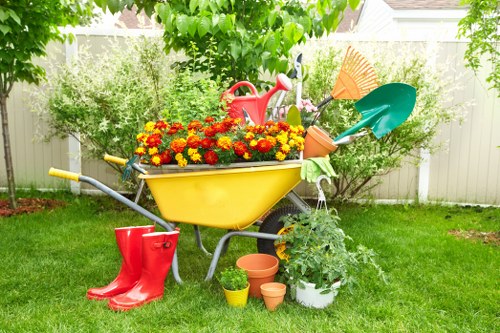 Landscaping is one of the most effective ways to improve a property’s appearance, usability, and atmosphere. In an urban borough like Tower Hamlets, where outdoor space is often limited and highly valued, the impact of good design can be especially significant. A successful project blends structure, planting, materials, lighting, and proportion into a coherent whole.
Whether the space is large or small, modern or traditional, private or shared, landscaping in Tower Hamlets can create an environment that feels more welcoming and more useful every day. It can make a courtyard feel like a retreat, a terrace feel like a garden room, or a frontage feel more polished and inviting. With the right approach, even modest outdoor areas can become distinctive and enjoyable.
In the end, the best Tower Hamlets landscaping is not just about style but about how people live with the space over time. A well-designed landscape supports everyday routines, enhances comfort, and brings a sense of nature into the heart of the city. That is what makes it such a valuable part of contemporary urban living.